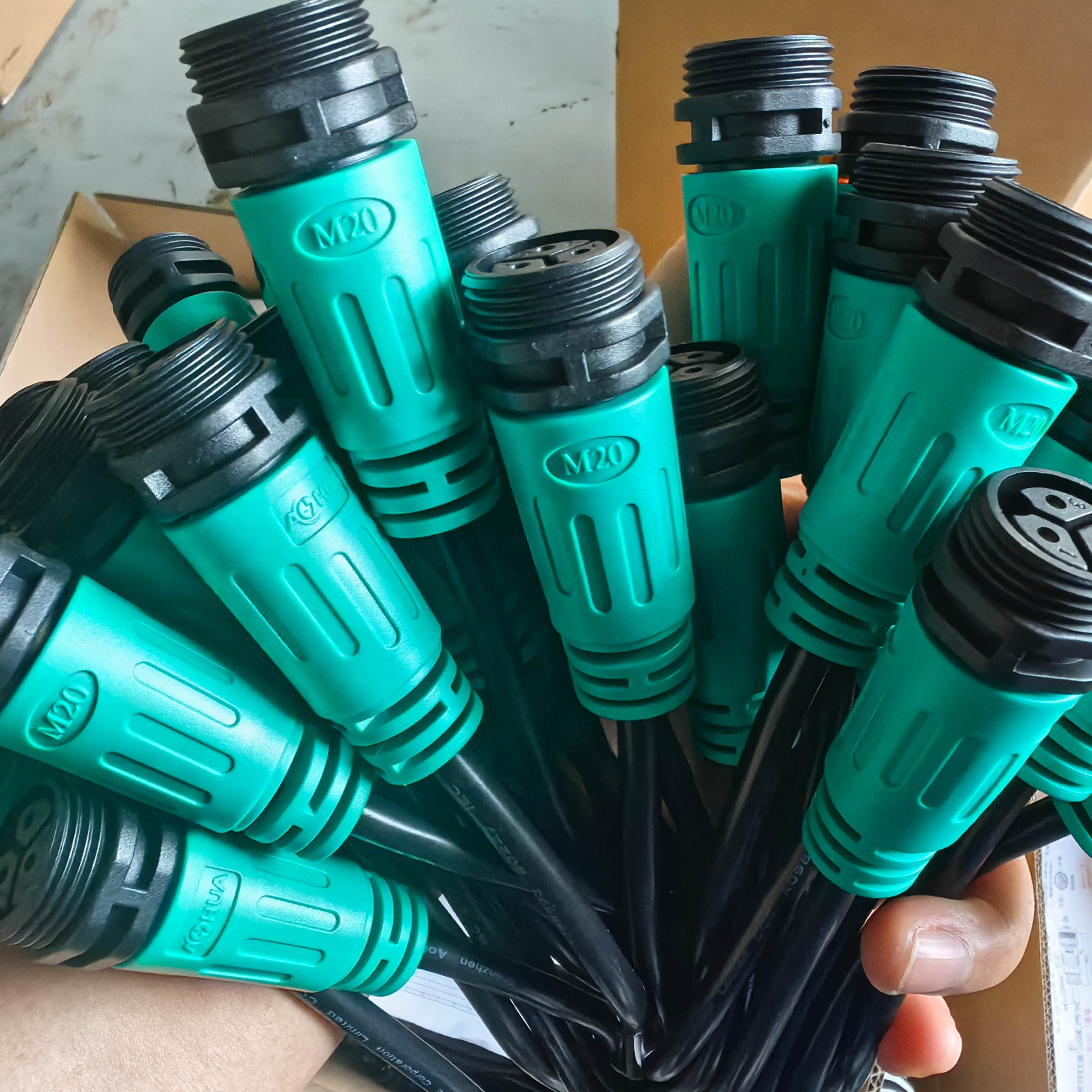


Waterproof Power Connectors: Ensuring Reliable Connectivity in Harsh Environments
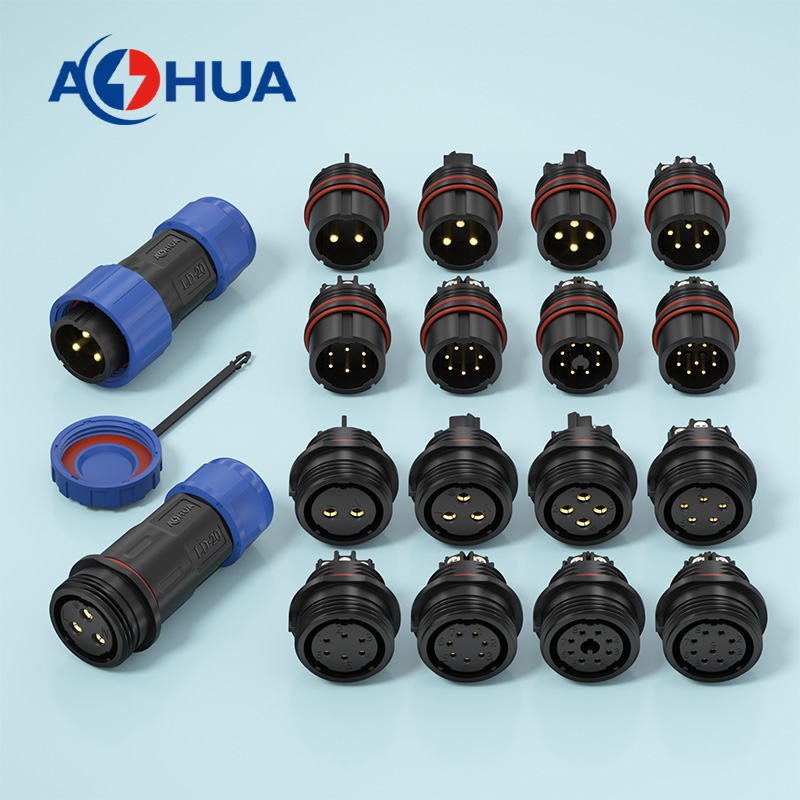
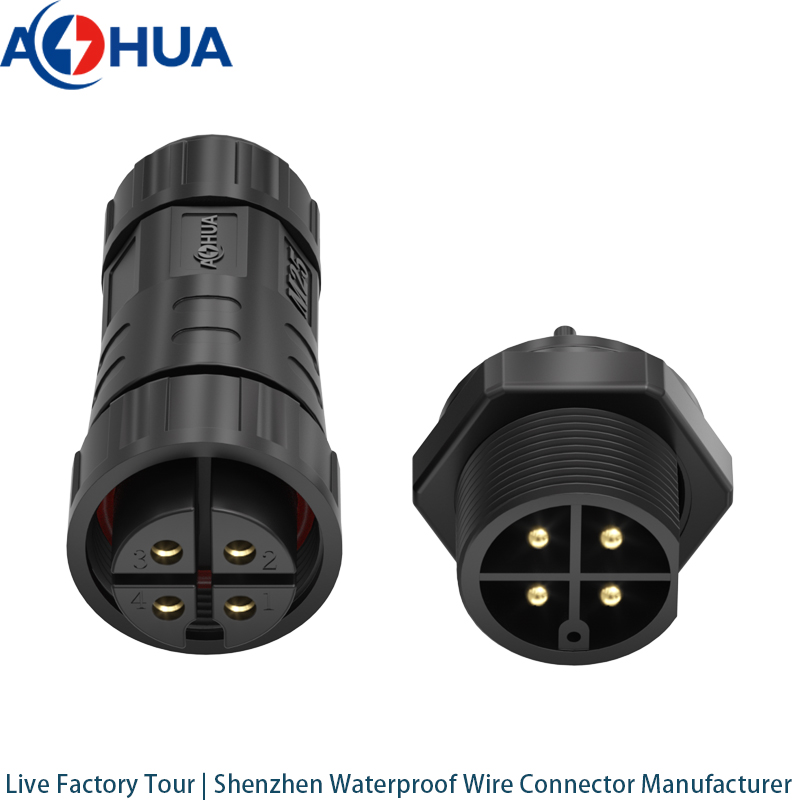
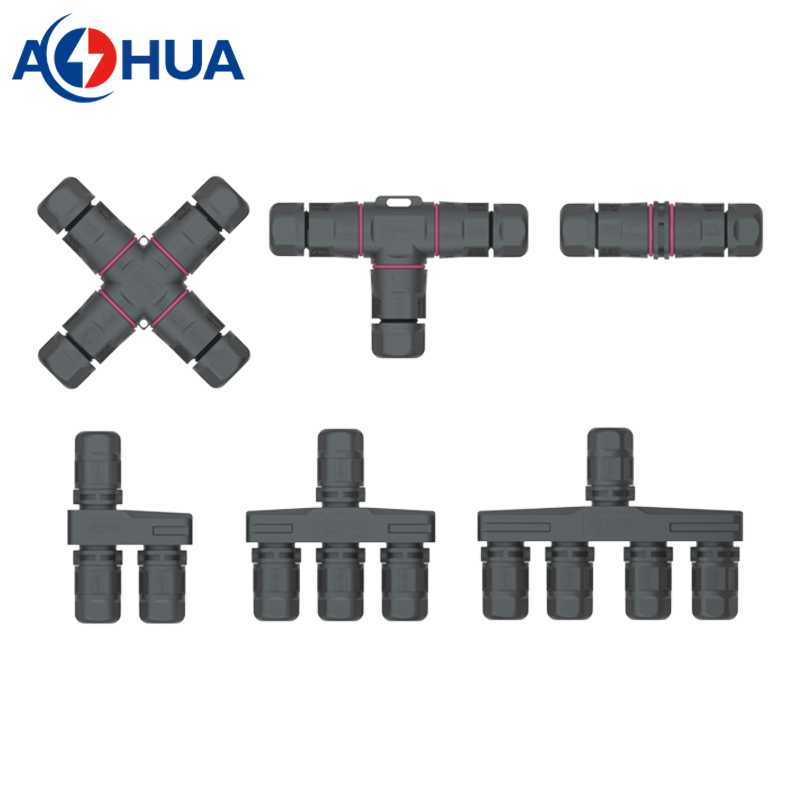
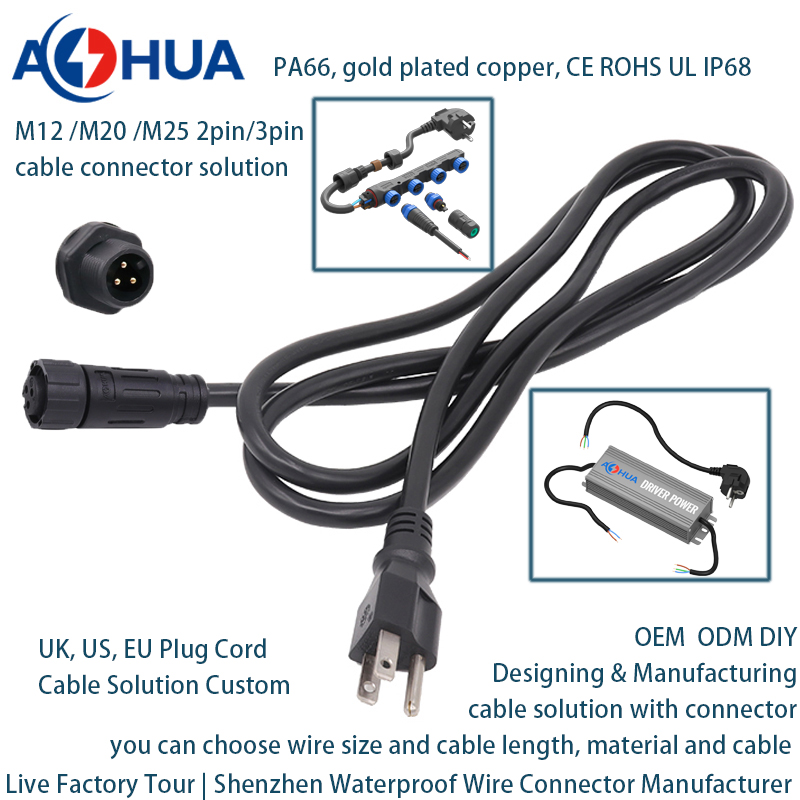
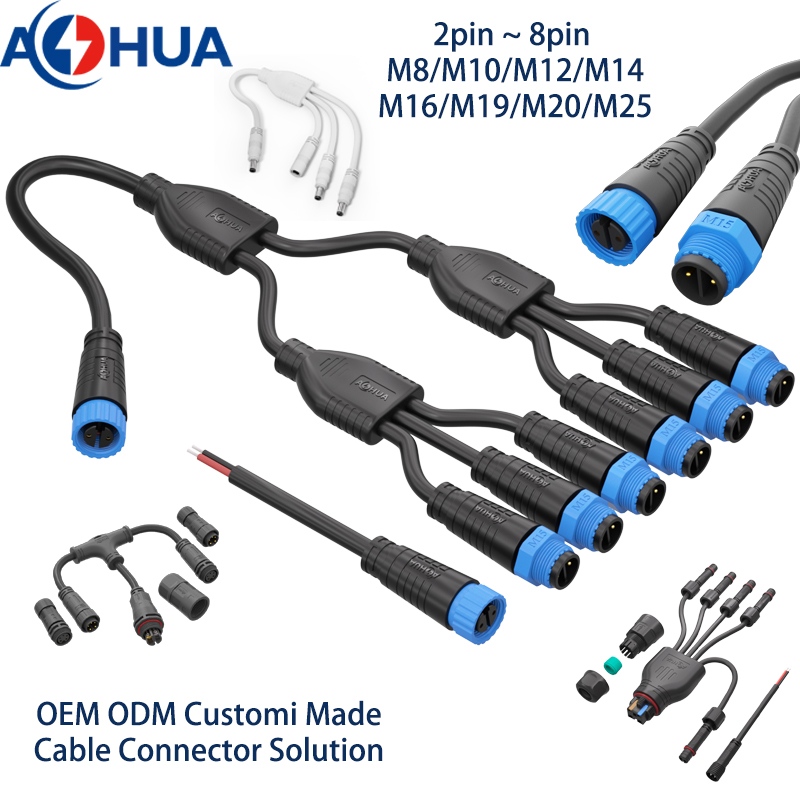
In an era where technology operates in increasingly demanding environments, waterproof power connectors have become indispensable. These specialized components ensure uninterrupted electrical connectivity in moisture-prone or submerged conditions, safeguarding equipment from water damage, corrosion, and dust ingress. This article explores the key parameters, diverse applications, and production processes of waterproof power connectors, highlighting their critical role in modern industries.
Key Parameters of Waterproof Power Connectors
- IP Rating: The Ingress Protection (IP) rating defines a connector’s resistance to solids and liquids. Common ratings include IP67 (protected against temporary submersion up to 1m for 30 minutes) and IP68 (designed for prolonged submersion at specified depths). Higher ratings ensure reliability in extreme conditions.
- Voltage and Current Ratings: These connectors are engineered to handle specific electrical loads, ranging from low-voltage consumer devices (12–24V) to high-power industrial systems (up to 1,000V). Current capacities can exceed 100A for heavy machinery.
- Temperature Range: Robust connectors operate in temperatures from -40°C to +125°C, ensuring performance in arctic cold or desert heat.
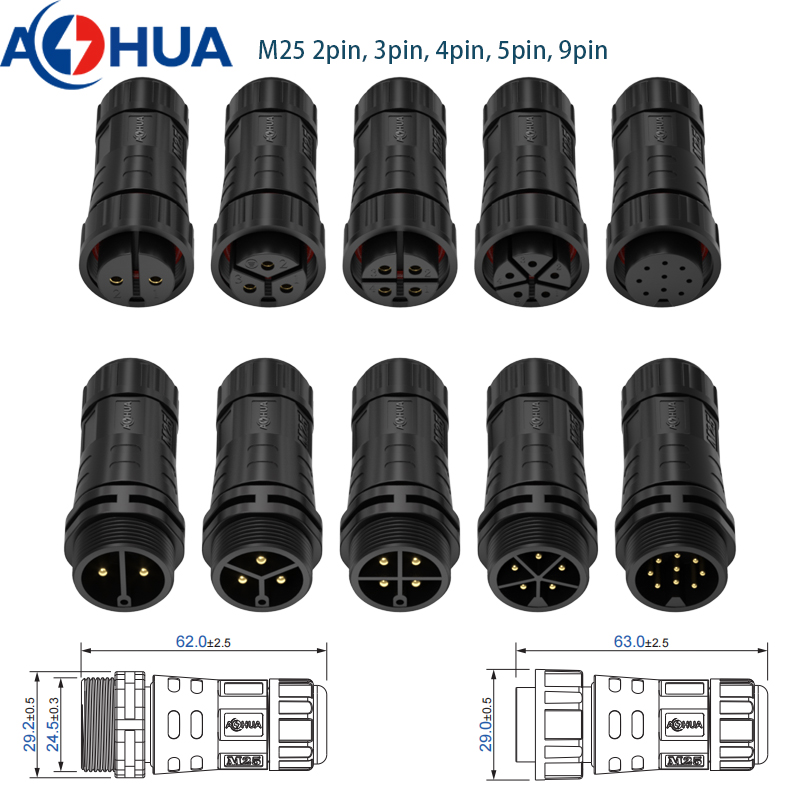
- Material Composition: Housing materials like polybutylene terephthalate (PBT) or stainless steel offer durability, while gold-plated contacts resist corrosion, and nickel plating enhances mechanical wear.
- Mechanical Durability: High-quality connectors endure thousands of mating cycles, with threaded couplings or bayonet locks to prevent accidental disconnection.
Applications Across Industries
Waterproof connectors are vital in sectors where exposure to moisture, dust, or chemicals is inevitable:
- Automotive: Electric vehicle (EV) charging stations and onboard systems rely on waterproof connectors to withstand rain and washdowns.
- Marine: Used in sonar equipment, navigation systems, and underwater sensors, they prevent saltwater corrosion.
- Industrial Automation: Deployed in factories with high humidity or chemical exposure, ensuring machinery uptime.
- Renewable Energy: Solar inverters and wind turbines use these connectors in outdoor installations.
- Consumer Electronics: Outdoor security cameras and wearables benefit from water resistance.
- Medical: Connectors in sterilization equipment or portable devices meet hygiene and durability standards.

Production Processing: Precision and Quality Assurance
- Design Phase: Engineers prioritize IP requirements, electrical needs, and environmental factors. CAD tools model connectors for optimal sealing and performance.
- Material Selection: Thermoplastics (e.g., PBT) and metals (stainless steel, brass) are chosen for resilience. Sealing elements like silicone O-rings or epoxy potting compounds are integrated.
- Manufacturing Techniques:
- Injection Molding: Produces complex plastic housings with tight tolerances.
- CNC Machining: Crafts precision metal components.
- Sealing Integration: O-rings and gaskets are fitted, while potting fills voids with waterproof resin.
- Assembly: Automated systems ensure consistency, though manual assembly may be used for intricate designs.
- Rigorous Testing:
- IP Certification: Submersion and dust exposure tests validate watertightness.
- Electrical Testing: Ensures stable conductivity under load.
- Environmental Stress Tests: Temperature cycling, vibration, and salt spray assessments mimic real-world conditions.
- Certifications: Compliance with UL, IEC, or MIL-STD standards guarantees global acceptability.
Waterproof power connectors are the unsung heroes of modern technology, enabling innovation in harsh environments. By understanding their parameters, applications, and meticulous production processes, industries can select connectors that marry durability with performance. As technology advances, the demand for these robust components will only grow, driving further innovation in connectivity solutions. Whether powering an EV or a deep-sea sensor, waterproof connectors ensure that progress remains unplugged—and unstoppable.