

How to Customize a Waterproof Connector Cable Harness with Power Plugs
Let’s be honest for a second — finding the right power cord for your project shouldn’t feel like solving a puzzle. But if you’ve ever tried to match a US plug with an IP68 connector, or needed a UK plug with a specific cable length and couldn’t find it off the shelf, you already know the struggle.
The good news? You don’t have to settle for whatever’s in stock. Custom cable harnesses exist for exactly this reason. And once you understand how the process works, it’s actually pretty straightforward.
Here’s everything you need to know about customizing a waterproof connector cable harness with power plugs — whether you need US, EU, or UK standards.
Why Bother with a Custom Solution?
Standard power cords are designed for no water environment well, standard situations. They work fine if you’re plugging in a lamp indoors. But the moment you step outside, throughout your wiring process, — into rain, dust, vibration, or extreme temperatures, those generic cables become a liability. Each component must also achieve a high level of waterproofing — and this is precisely where our waterproof connectors deliver the perfect solution, A custom cable harness gives you control over every single component.
A custom cable harness gives you control over every single component:
- The plug typethat matches your target market
- The waterproof connectorthat actually seals against moisture
- The cable materialthat survives your environment
- The length and colorthat fit your installation perfectly
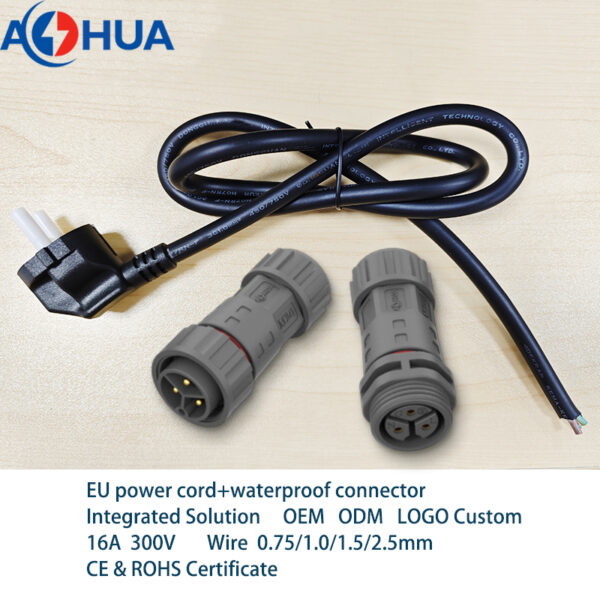
When these pieces come together as an integrated solution, you get something far more reliable than anything you could piece together yourself.
Step 1: Pick Your Power Plug Standard
Different countries use different plugs. This isn’t just about shape — it’s about voltage, amperage, and safety standards.
Here’s a quick breakdown:
- US Plug (Type A & B / NEMA Standard)
Used in North America. Type A has two flat parallel pins (ungrounded), while Type B adds a round grounding pin. Standard voltage is 120V at 60Hz. Common ratings include 15A and 20A configurations. - EU Plug (Type C, E, F / Schuko)
Used across most of Europe. Type C has two round pins and is ungrounded. Type E and F add grounding features. Standard voltage is 220-230V. The Schuko plug (Type F) is widely used for industrial applications. - UK Plug (Type G / BS 1363)
Used in the UK, Ireland, and many former British colonies. Features three large rectangular pins and a built-in fuse — a safety requirement under the Plugs and Sockets (Safety) Regulations 1994. Standard voltage is 230V. Every UK plug must contain a BS1362 cartridge fuse (3A, 5A, or 13A). - AU Plug (Type I)
Used in Australia and New Zealand. Features two flat pins in a V-shape with a grounding pin. Standard voltage is 230V.
Choose based on your target market — and don’t guess. The wrong plug means your product won’t even plug in.
Step 2: Choose the Right Waterproof Connector
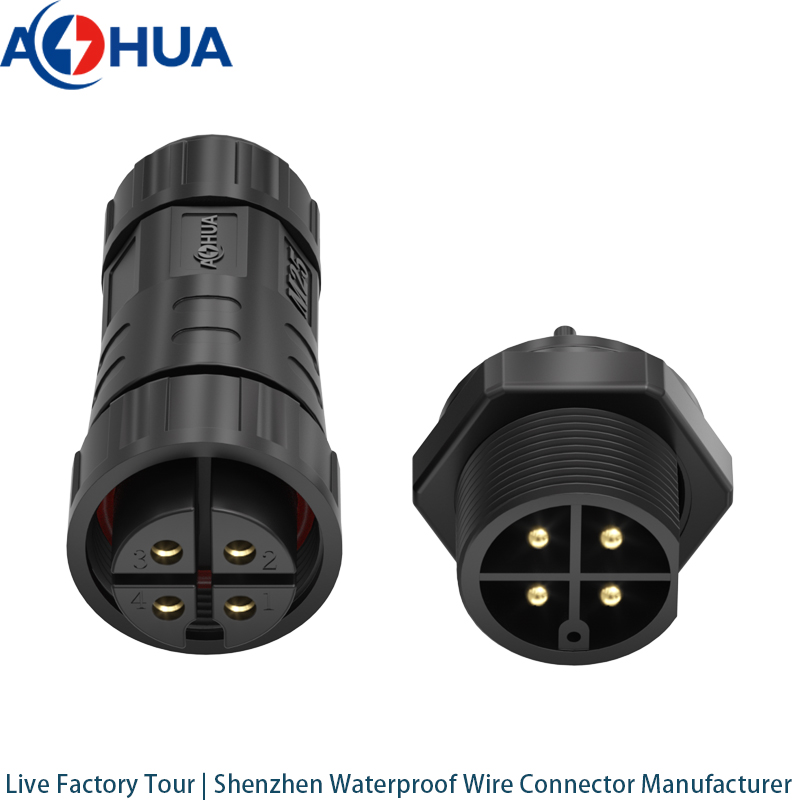
This is where the magic happens. The waterproof connector is what protects your electrical connection from moisture, dust, and physical stress.
- IP Rating– The most common ratings for outdoor use are IP67 and IP68. IP67 means dust-tight and protected against temporary immersion. IP68 takes it further — fully submersible.
- Connector Material– Nylon (PA66) is the go-to choice for high-strength, abrasion-resistant connectors. It’s durable, lightweight, and stands up to harsh conditions. Some applications use PVC for flexibility, but nylon offers superior mechanical strength.
- Contact Material– Gold-plated brass contacts offer superior conductivity and corrosion resistance — especially important in outdoor or marine environments. This is a key differentiator for premium custom solutions.
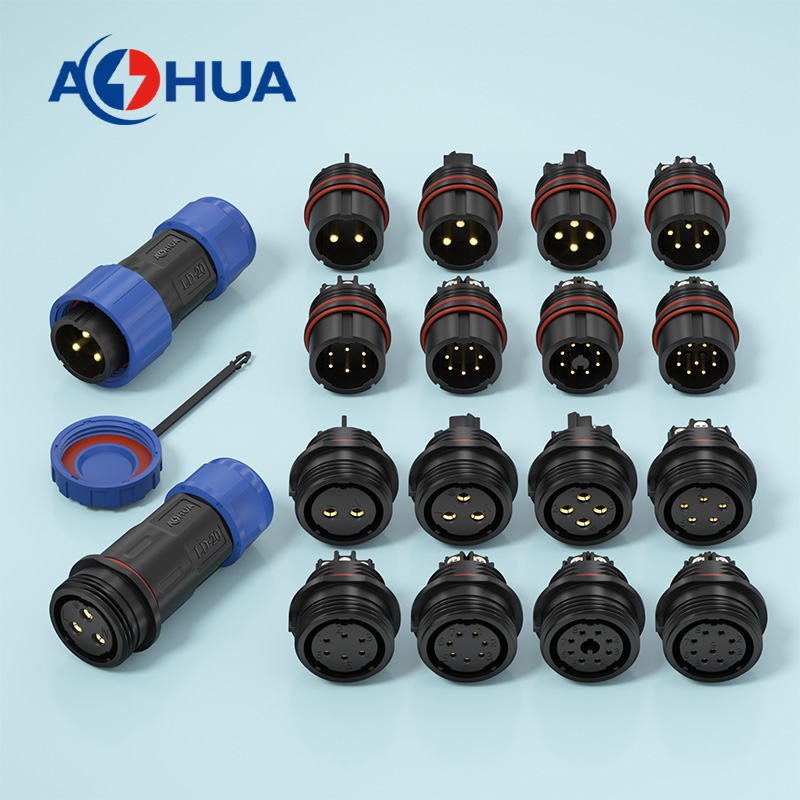
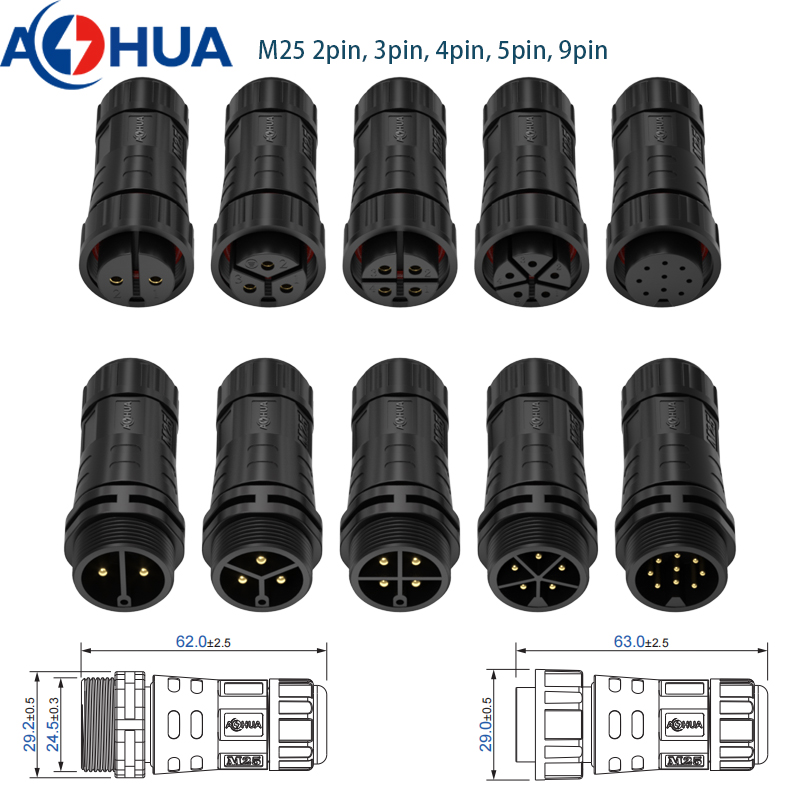
- Pin Configuration– 2-pin and 3-pin are the most common for power applications. But custom solutions can accommodate 4-pin, 5-pin, or more for signal and power combinations.
Step 3: Select Your Cable Type
The cable is the lifeline of your entire system. Skimp here, and nothing else matters.
- PVC Cable– Cost-effective and flexible. Suitable for general indoor and outdoor use where extreme temperatures aren’t a concern. PVC offers good flexibility at a lower price point.
- Rubber Cable– More flexible than PVC, especially in cold weather. Rubber cables hold up better to repeated bending and harsh environmental conditions. Often used with UK and EU plugs for this reason.
Key considerations when choosing your cable:
- Wire Gauge (AWG)– Thicker wire carries more current. Match the gauge to your amperage requirements.
- Cable Length– Custom lengths mean you get exactly what you need — no excess cable to manage, no shortage to work around.
- Cable Color– Need a specific color for branding or safety compliance? Most manufacturers can accommodate custom colors.
- Outer Diameter (OD)– This matters because it determines whether the cable fits and seals properly inside the connector’s cable gland.
Step 4: Decide on Assembly Method
There are two primary ways to assemble a waterproof connector with a power plug:
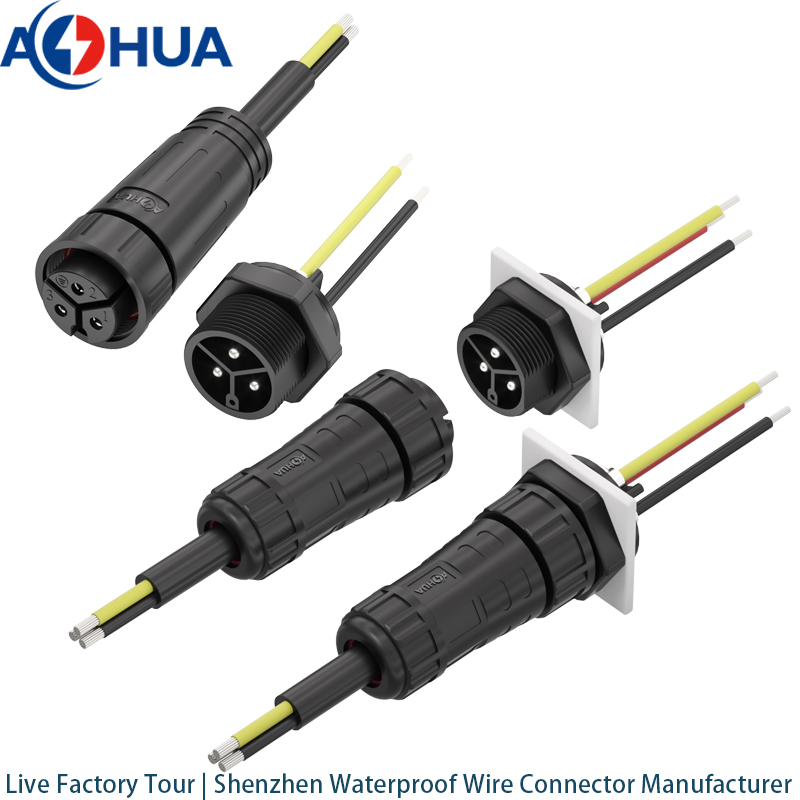
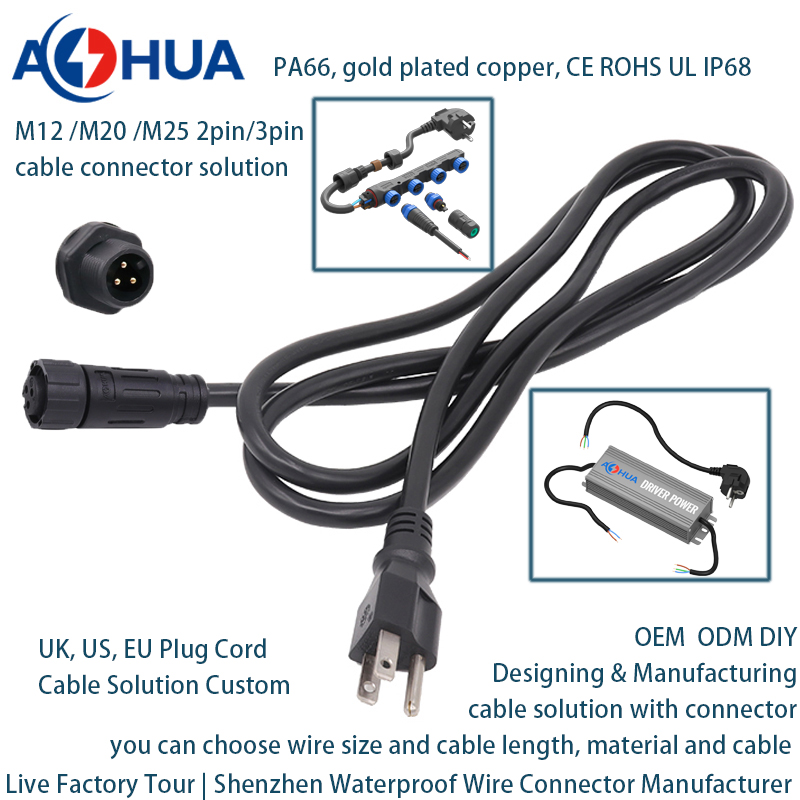
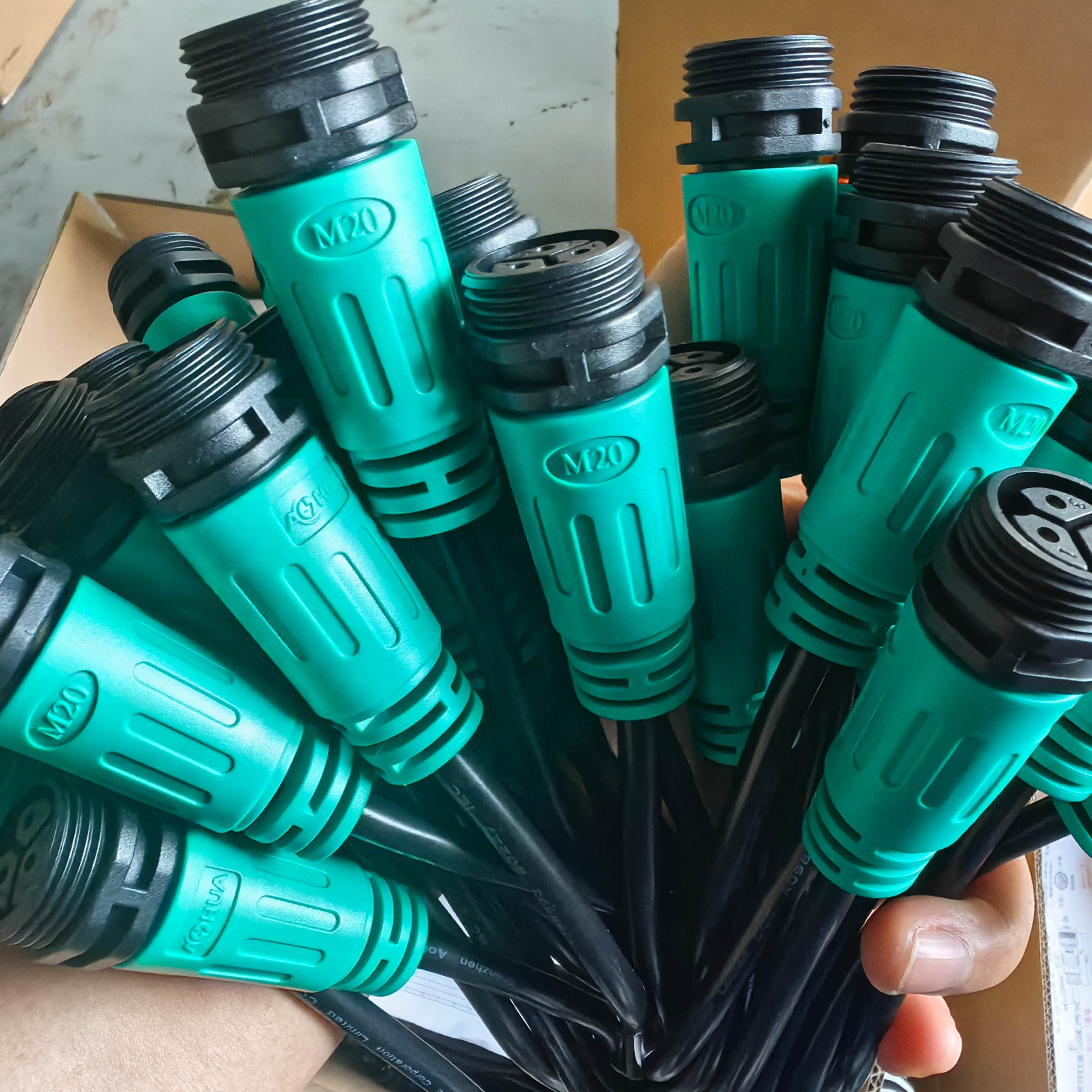
- Overmolded Cable Connector– The connector is molded directly onto the cable. This creates a permanent, sealed connection that’s highly resistant to moisture and strain. The molding cable can be customized to any length you need, including terminal or strain relief options on the wire end. This is the preferred method for most outdoor and industrial applications because it eliminates potential failure points.
- Assembly Connector– The connector comes without cable attached, allowing for field assembly. This is more flexible if you need to change cable lengths on-site, but it’s also more susceptible to improper installation.
- The best part?Many manufacturers now offer compatibility between assembly and molding connectors using the same model — so you can design one side as assembly type and the other as molding type, giving you maximum flexibility.
Step 5: Work with a Manufacturer Who Gets It
This is where a lot of projects go off the rails. You can have the perfect design on paper, but if your manufacturer doesn’t have the experience to execute it properly, you’ll end up with problems.
What to look for:
- Experience– How long have they been doing this? A manufacturer with 20+ years of R&D and manufacturing has seen just about every scenario and knows how to solve problems before they happen.
- Capability– Can they handle both simple and complex customizations? Do they offer OEM/ODM services?
- Quality Control– Every waterproof wiring harness should undergo rigorous pressure leak testing before leaving the factory to ensure 100% seal integrity.
- Certifications– CE, RoHS, and UL certifications are non-negotiable for most markets.
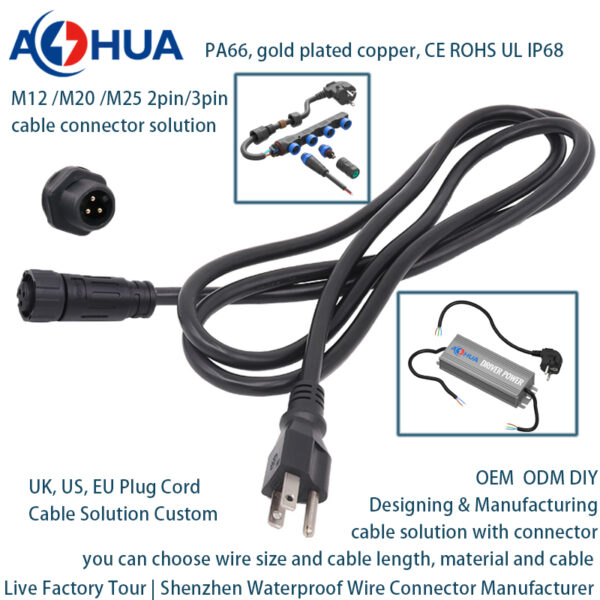
How to Get Started
The customization process is simpler than you might think:
Define your application – Where will this be used? Indoor, outdoor, submerged, high-temperature? This determines your IP rating requirement.
- Choose your plug standard– US, EU, UK, or AU? Based on your target market.
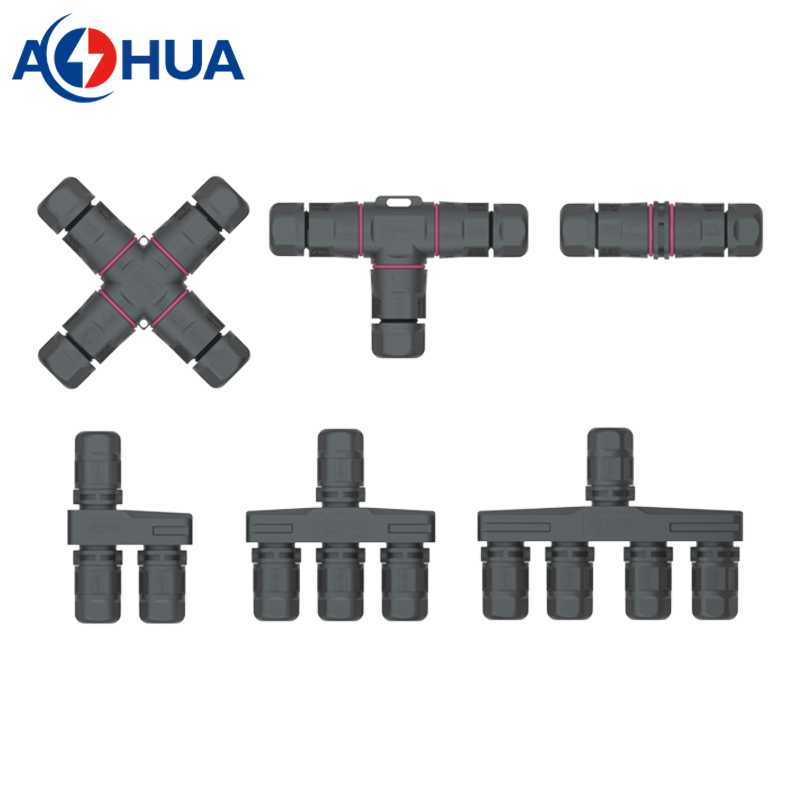
- Select your connector– What type, how many pins, what docking method (threaded, bayonet, push-pull)?
- Specify your cable– PVC or rubber? What gauge? What length? What color?
- Send a simple drawing– Even a rough sketch of what you need makes it much easier for the manufacturer to understand your requirements.
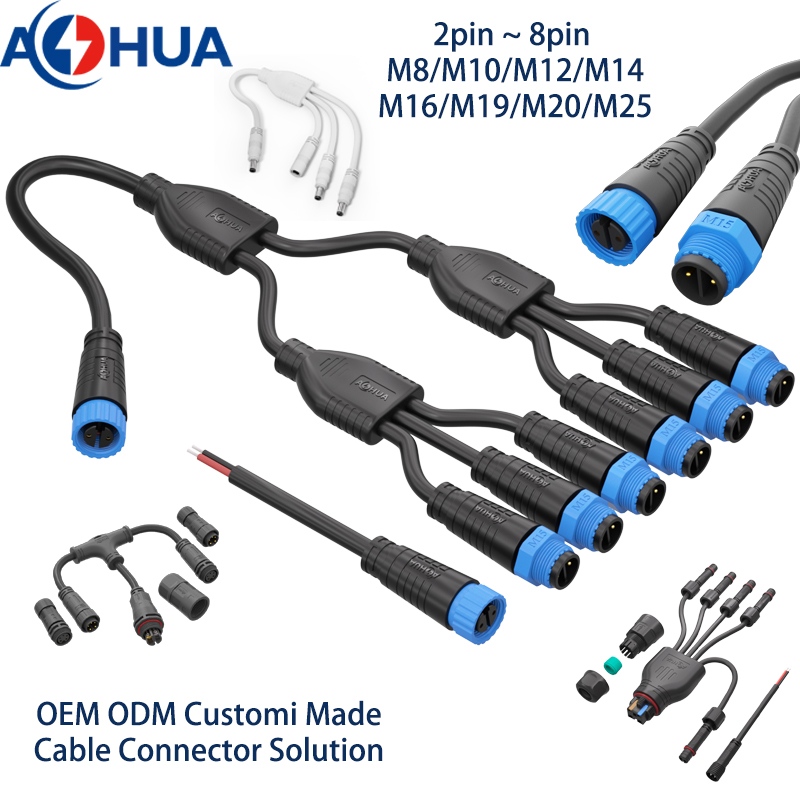
- Provide electrical details– Working amperage, wire size, cable length for main and branch cables.
Once you send these details, a good manufacturer will get back to you with a CAD drawing and price quote — often within 12 hours.
Real-World Applications
Custom waterproof cable harnesses aren’t just for one type of product. They’re used across dozens of industries:
- Outdoor LED Lighting– Garden lights, street lights, landscape lighting
- Solar Power Systems– Outdoor connections that hold up for years in direct sunlight
- Marine Equipment– Saltwater is incredibly corrosive — gold-plated contacts and IP68 are essential
- Industrial Machinery– Vibration, dust, and moisture are constant challenges
- Hydroponics and Vertical Farming– High humidity demands reliable waterproof connections
- EV Charging– Outdoor charging stations need rugged, weatherproof connections
Customizing a waterproof connector cable harness with power plugs doesn’t have to be complicated. It just requires attention to detail and a manufacturing partner who actually knows what they’re doing.
With 20+ years of R&D and manufacturing experience, the right partner can help you design a complete, ready-to-install power cord solution — with nylon connectors, gold-plated conductors, your choice of PVC or rubber cable, custom colors, and full CE, RoHS, and UL certifications.
Don’t leave your outdoor power connections to chance. Customize a solution that actually works.