

Matching Designs to Real Industrial and Commercial Needs
First, let us say this clearly. Cable connection looks simple. Yet many failures come from mismatched designs. Learn how waterproof circular connectors solve outdoor and detachable issues. Also learn how panel-mount and shunt cable harnesses solve multi-circuit connections.
A Simple Task at First Glance
At first glance, cable connection seems like a basic electrical operation. It simply joins two cables to achieve electrical conduction. From a pure structural perspective, the logic is indeed straightforward. However, industrial and commercial scenarios change the picture. The core difficulty never lies in physical cable joining. Instead, it lies in meeting customized functional and environmental needs. These needs determine system stability, durability, and safety.
The Real Challenge: Customized Requirements
Therefore, engineers must match each connection to its use case. Different scenarios impose different mandatory requirements. These requirements shape connection stability, durability, and safety.
Common Failures and Root Causes
Mismatched solutions often cause signal interruption, current leakage, and equipment downtime. Most cable failures stem from mismatched connection solutions. They rarely stem from simple assembly errors.
Environmental Protection for Harsh Conditions
Traditional cable splicing only completes basic electrical continuity. However, it cannot adapt to complex industrial conditions. Each application scenario imposes unique mandatory requirements on cable connections. These different demands drive the iteration and classification of modern connector solutions. Therefore, engineers should first evaluate working conditions. Then they can choose the right waterproof cable connection method.
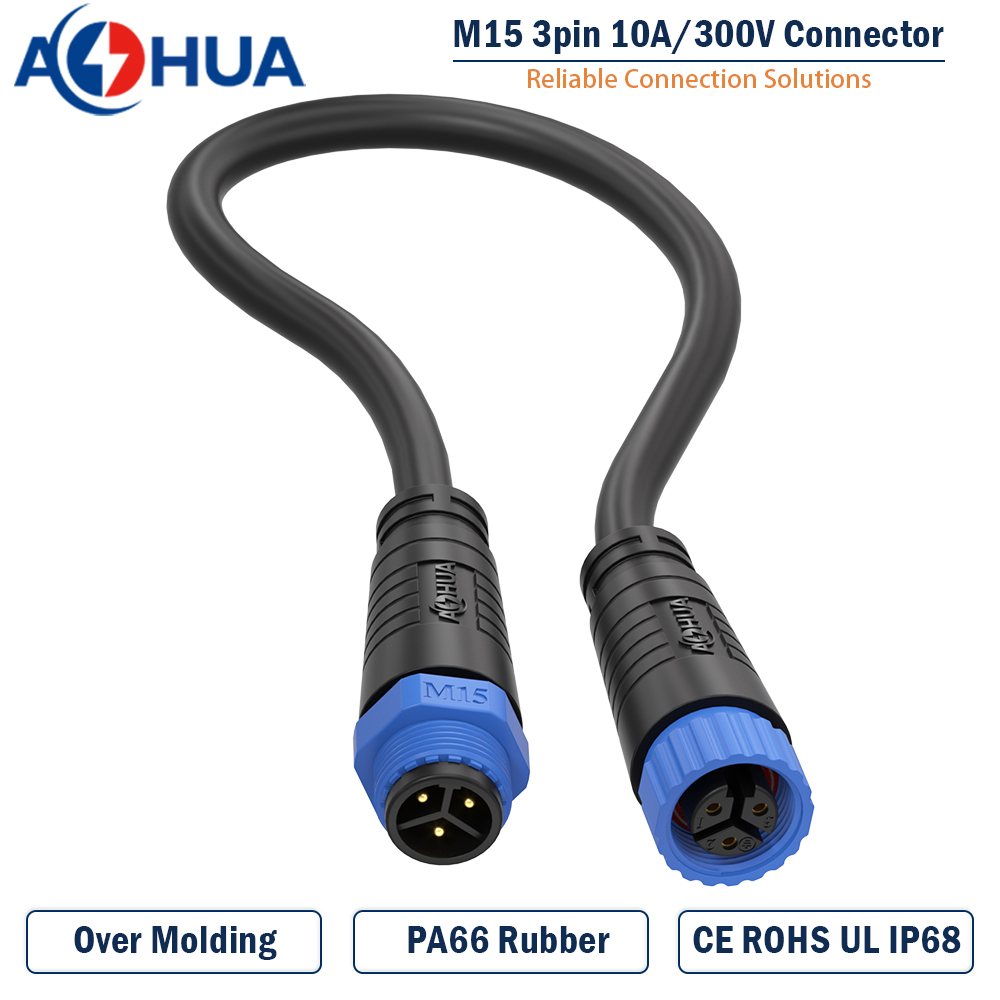
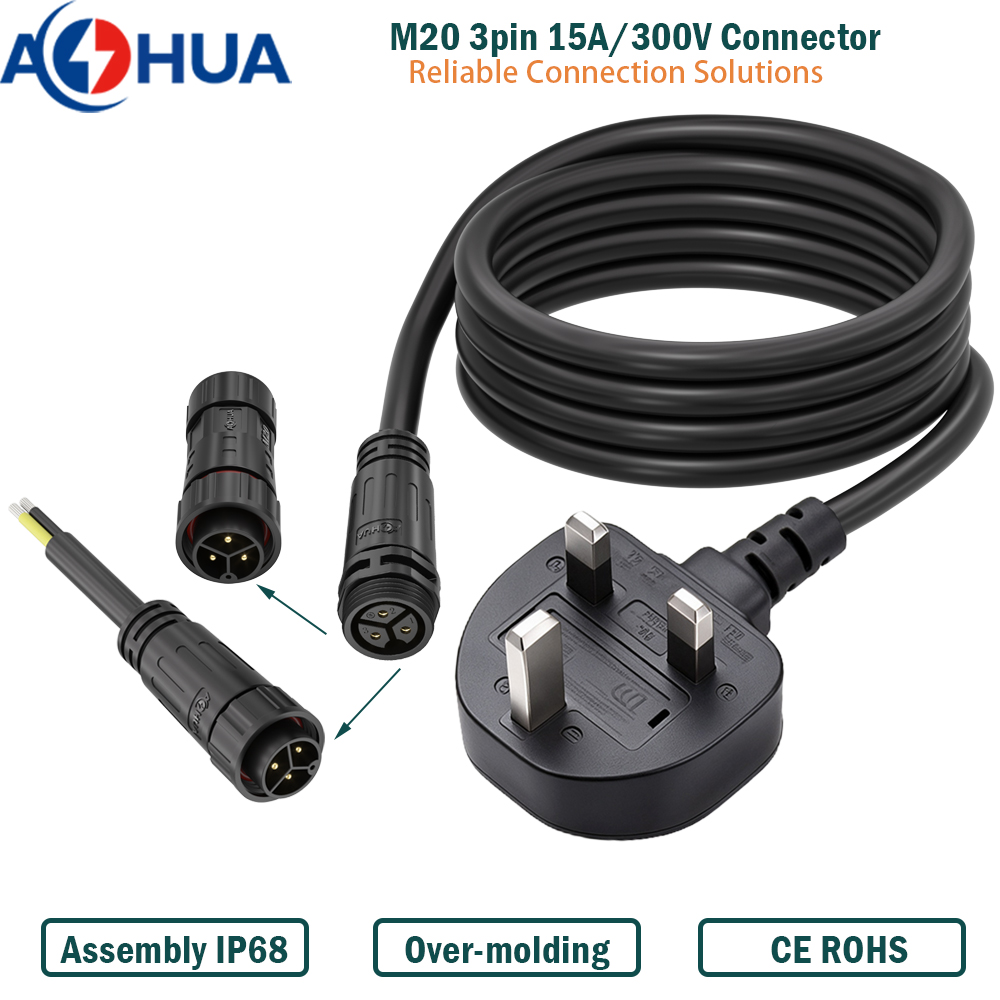
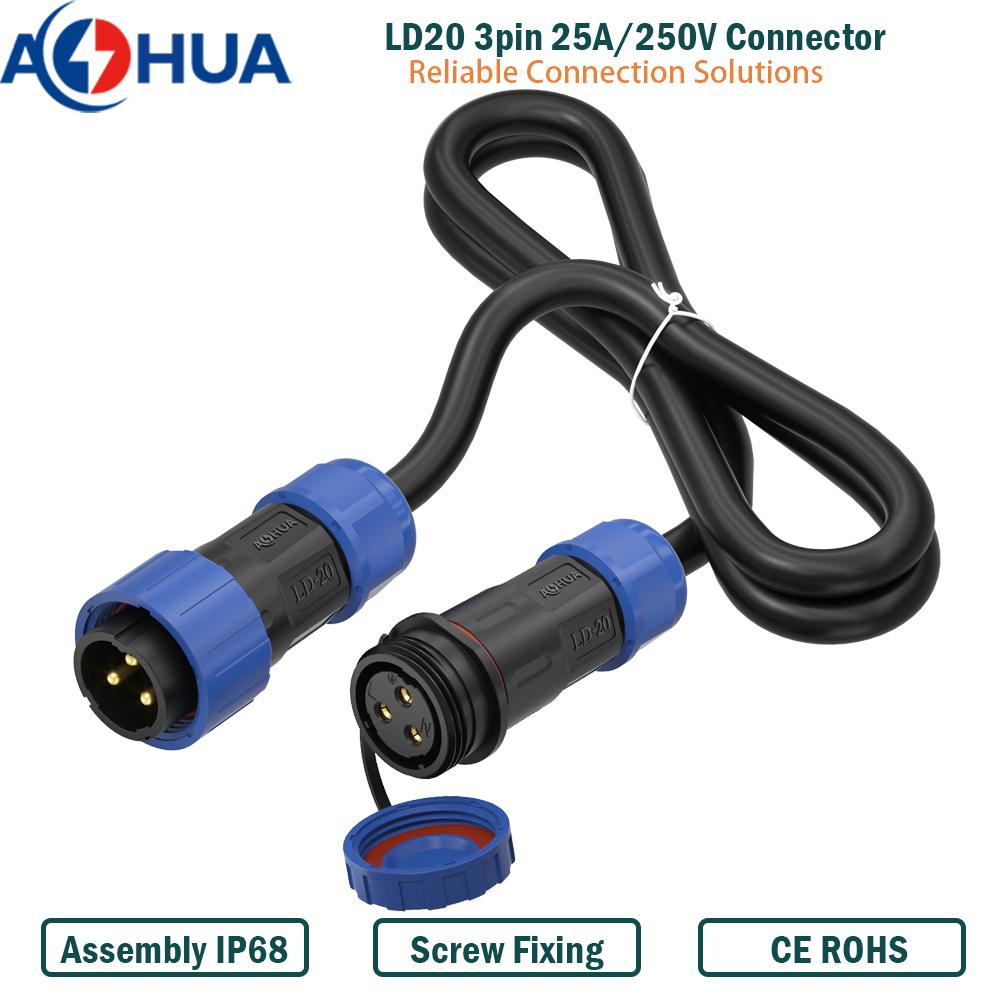
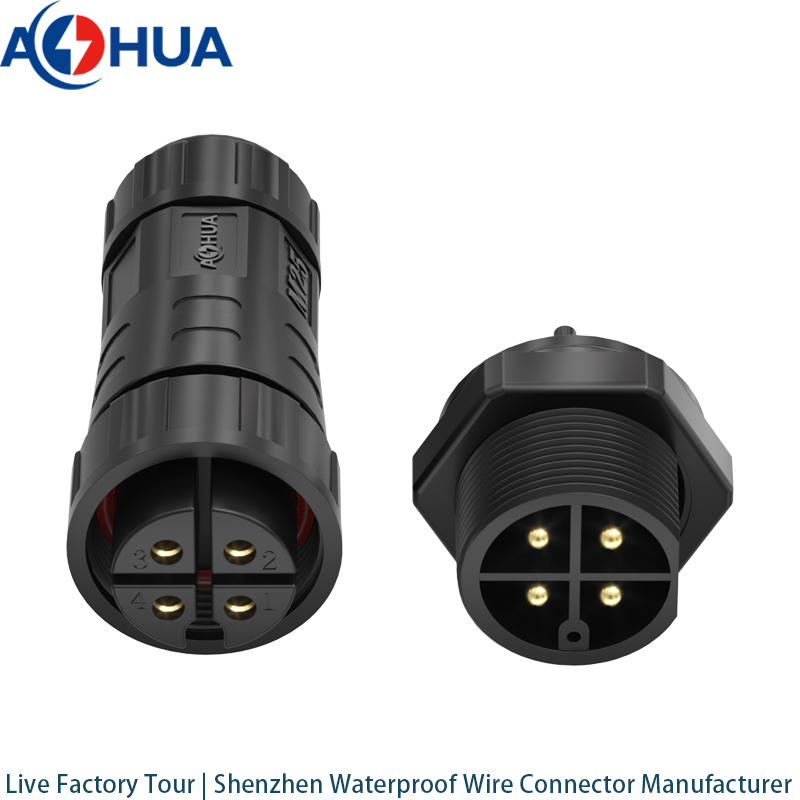
The first common requirement is environmental protection. Outdoor cables face rain, dew, dust, and humid air for long periods. Moreover, ordinary bare joints easily take in water and corrode. Metal parts corrode, and insulation ages. This raises contact resistance and makes current unstable. It can even trigger short-circuit faults. To solve this problem, professional systems use integrated sealing structures. They also adopt IP-rated protection designs. Waterproof circular connectors block water and dust well. As a result, connections stay stable in harsh outdoor environments.
Detachable and Reusable Connection Performance
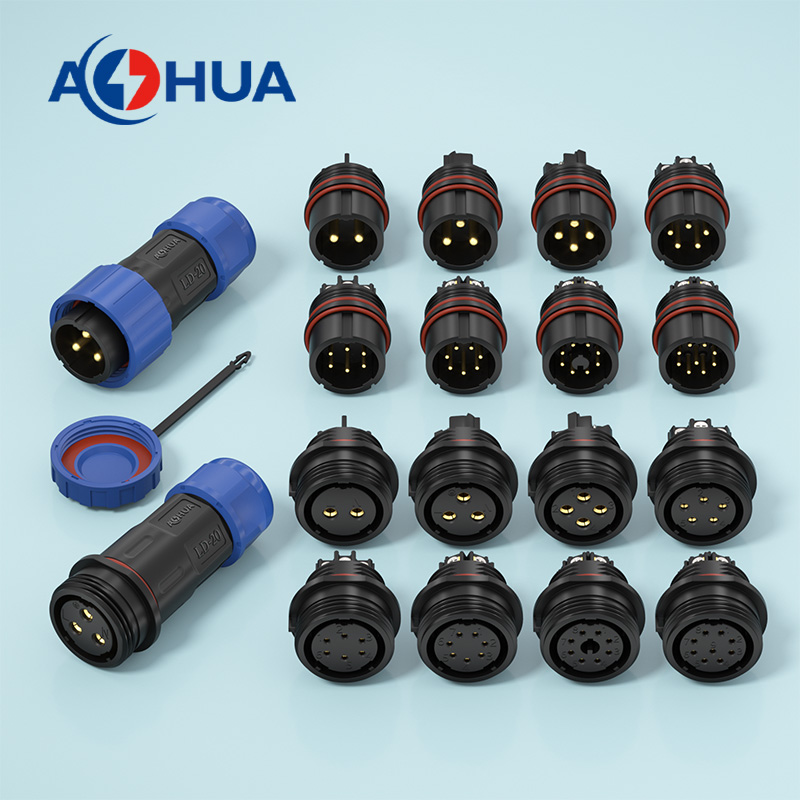
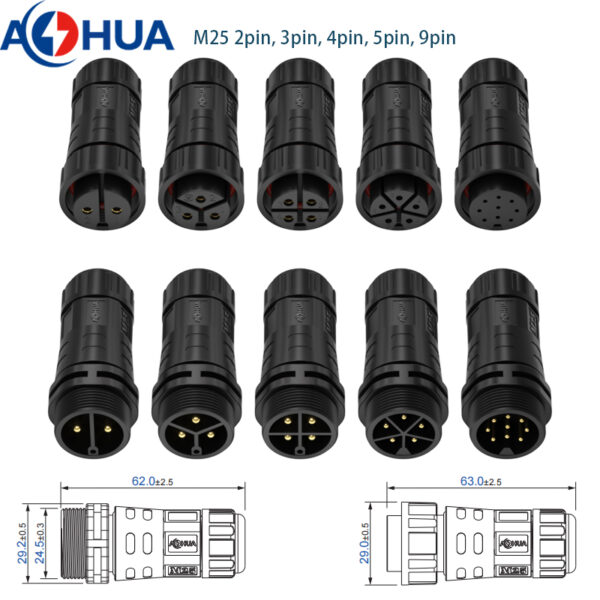
Second, many machines, test instruments, and mobile devices need frequent plugging. Users do this for maintenance, debugging, and equipment replacement. Fixed welding and integral cables cannot meet this flexible use. Connection points must also stay dustproof and waterproof after reconnection. Therefore, male-to-female docking connectors meet this need. A standardized male and female structure enables quick plugging. Built-in sealing rings keep protection after many plugging cycles. Thus, this design balances flexibility and reliability.
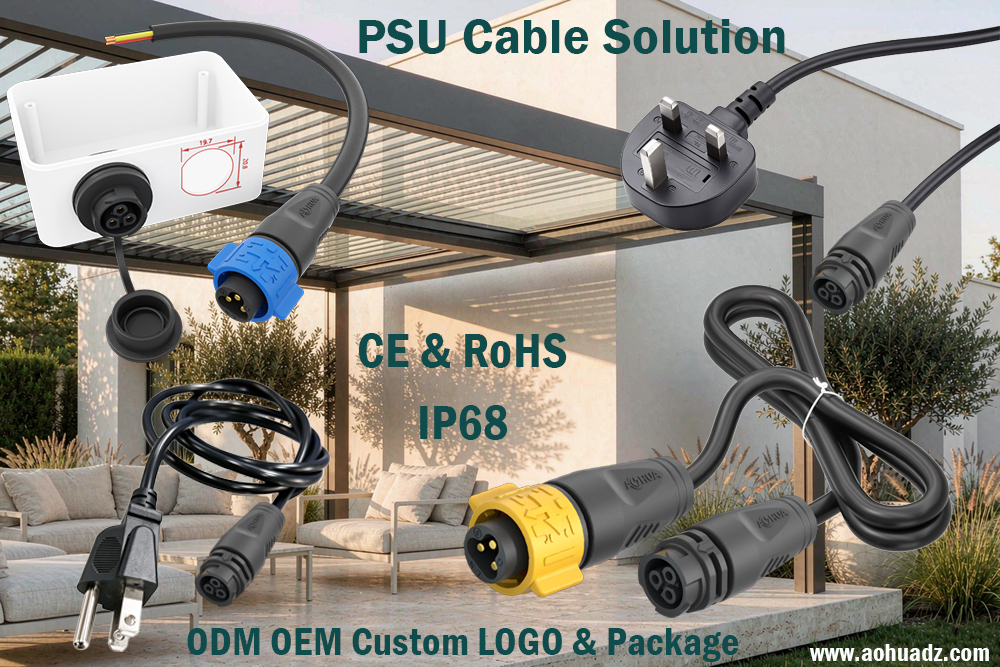
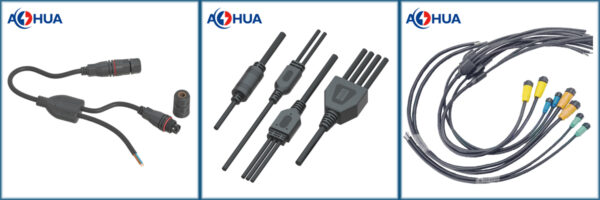
In addition, multi-device power supply and signal transmission scenarios require shunt connection capabilities. For example, in industrial automation production lines, energy storage systems, and intelligent equipment clusters, a single main power cable often needs to supply power to multiple terminal devices at the same time. It also needs to transmit signals to all of them simultaneously. However, simple series connection cannot meet the demand for stable shunt transmission. What is worse, disorderly wiring will bring hidden dangers to later maintenance and safety.
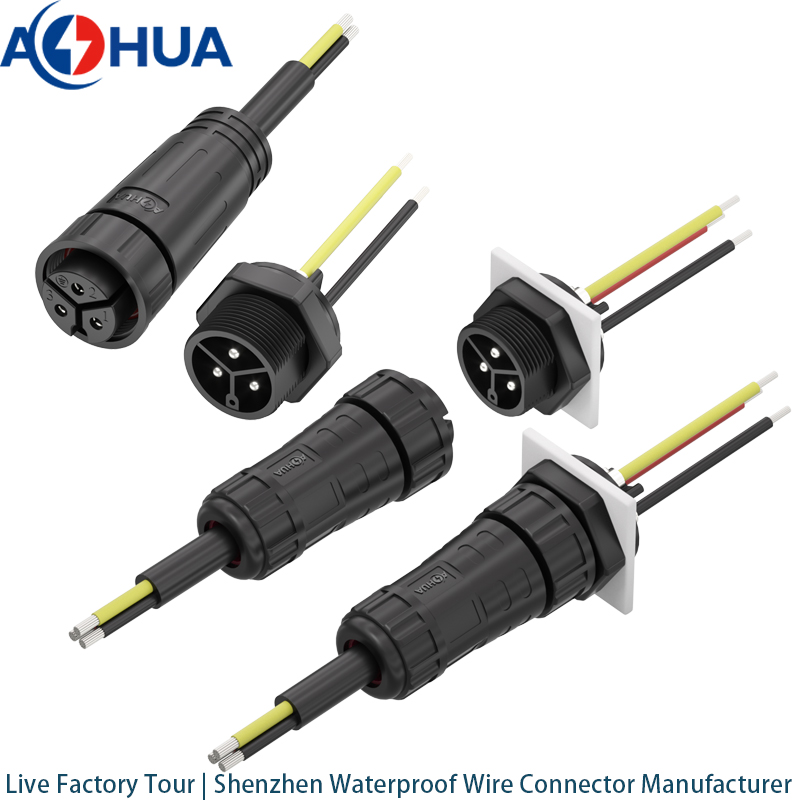
To solve this problem, specialized shunt connector harness solutions come into play. They realize one-to-many scientific shunt transmission. As a result, current distribution stays balanced. Meanwhile, each branch enjoys independent and stable signal transmission. In addition, the overall wiring layout of the equipment is standardized.
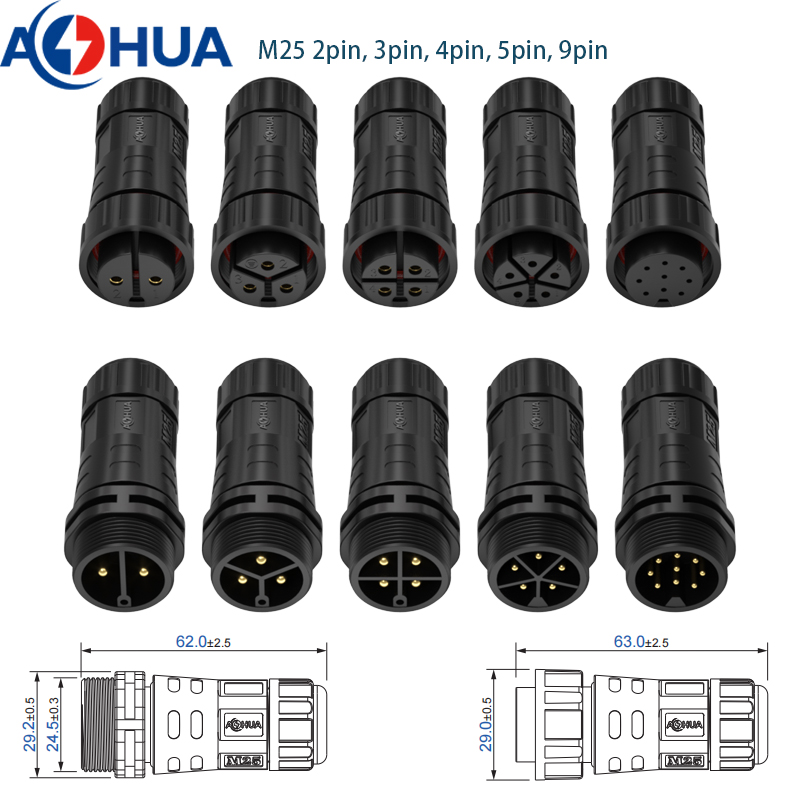
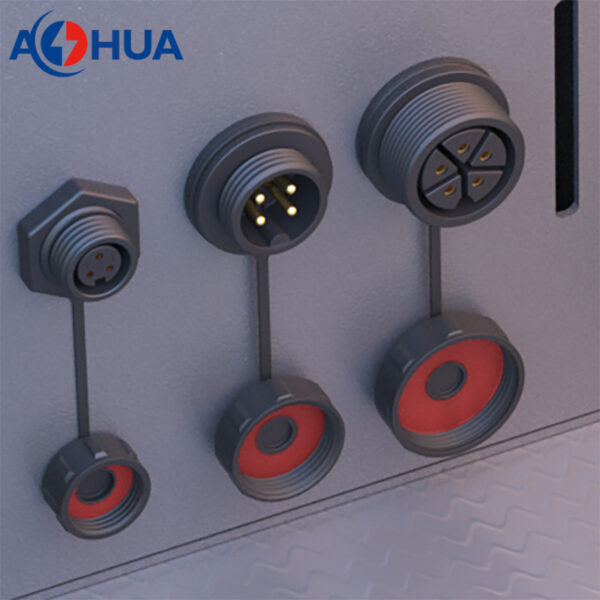
Moreover, as application demands become more differentiated and refined, the professional waterproof connector industry has gradually built a complete product system. In terms of product types, the system now covers four major categories. First, straight-through waterproof connectors are suitable for simple linear cable extension. They also ensure reliable waterproof connection. Second, male and female docking connectors focus on reusable pluggable scenarios. Third, panel mount waterproof connectors solve equipment fixed assembly problems. Finally, shunt connector harnesses meet the needs of multi-device collaborative power supply and signal transmission.
You can believe
In conclusion, qualified industrial cable connection is never a simple physical splicing. Instead, it is a systematic engineering solution. More importantly, this solution is always driven by real scenario demands. Specifically, it covers four key aspects: environmental protection, structural fixation, flexible use, and functional expansion.
At the core of every cable connection problem, the right approach is clear. That is, you should choose a matching waterproof circular connector and harness solution. And this choice must always be based on actual working conditions. As a result, potential safety hazards can be effectively eliminated. Meanwhile, equipment failure rates are greatly reduced. In this way, the overall service life of electrical systems is extended.
Finally, as industrial equipment continues to upgrade, the demand for reliability keeps growing. Therefore, customized and high-reliability waterproof connection solutions will become the standard configuration of modern industrial wiring.