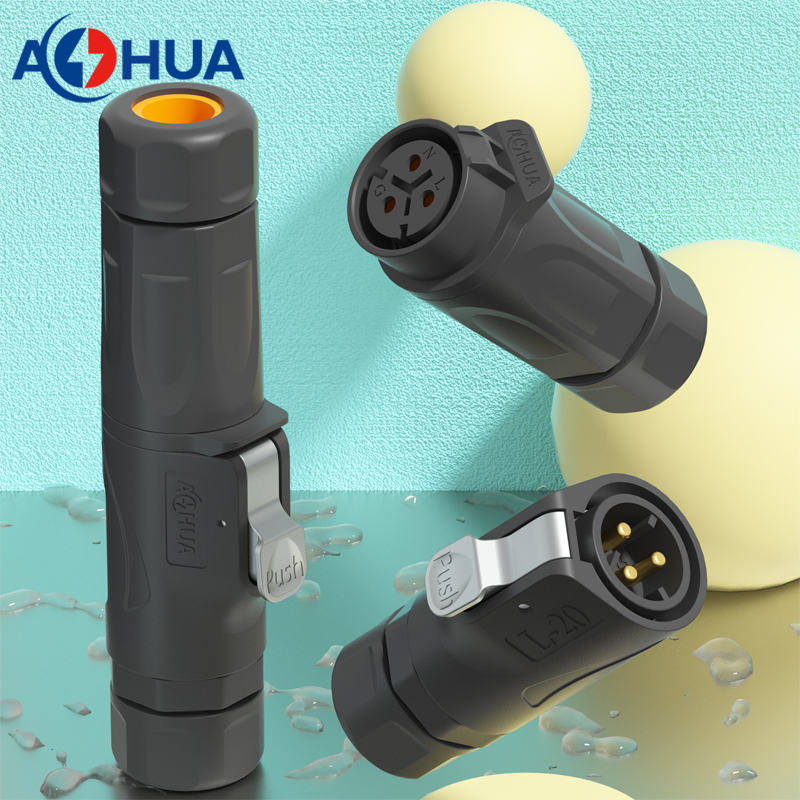


The Essential Guide to 2-Pin LED Waterproof Connectors: Durability Meets Design
For anyone working with LED lighting, especially in outdoor, automotive, or marine environments, ensuring a reliable and safe electrical connection is paramount. This is where the 2-pin LED waterproof connector becomes an indispensable component. These small but mighty devices are engineered to protect electrical connections from moisture, dust, and corrosion, guaranteeing your lighting projects shine brightly and last longer.
Highlights of Waterproof Connectors
The primary advantage of a 2-pin waterproof connector is right in the name: waterproofing. Typically rated with an IP (Ingress Protection) rating like IP65, IP67, or even IP68, these connectors are designed to withstand everything from rain and snow to temporary immersion. Beyond moisture resistance, they offer:
-
Durability: Built with rugged materials like PVC or nylon, they resist UV exposure, temperature fluctuations, and physical stress.
-
Corrosion Resistance: Sealed connections prevent oxidation on the metal terminals, maintaining optimal conductivity.
-
Ease of Installation: Most feature a simple plug-and-play design with screw terminals or solder cups, making wiring projects faster and cleaner.
-
Safety: By fully enclosing the connection point, they prevent short circuits and reduce the risk of electrical hazards.


Key Applications for Waterproof LED Connectors
The versatility of these connectors makes them ideal for a wide range of applications:
-
Outdoor & Landscape Lighting: Connecting LED strip lights for garden paths, patio accents, or underwater pool lights.
-
Automotive & Marine Lighting: Wiring off-road vehicle light bars, boat navigation lights, or RV interior/exterior LEDs where vibration and moisture are constant challenges.
-
Signage & Architectural Lighting: Creating reliable connections in channel letters, commercial signs, and building facade lighting exposed to the elements.
-
Industrial & DIY Projects: Any application where LEDs are used in garages, workshops, or outdoor displays that require protection from dust and damp conditions.
How to Design Your System with Waterproof Connectors
Integrating waterproof connectors into your LED installation requires some forethought. Follow this design approach for best results:
-
Select the Correct IP Rating: Match the connector to your environment. IP65 is sufficient for weatherproof outdoor use, while IP67 or IP68 is necessary for applications prone to direct water spray or temporary submersion.
-
Consider Wire Gauge and Current: Ensure the connector is rated for the voltage and amperage of your LED system. Standard 2-pin connectors often handle 12V/24V DC systems commonly used in LED lighting.
-
Plan for Polarity: Most 2-pin connectors are keyed or designed with a male/female pin setup to ensure correct polarity connection—vital for LEDs to function.
-
Installation Best Practices: Even the best connector can fail if installed poorly. Always:
-
Strip wire to the recommended length.
-
Secure connections tightly within the connector housing.
-
Ensure the rubber gasket or O-ring is properly seated before locking the connector halves together.
-
Use waterproof heat-shrink tubing over the connector for an added layer of protection in extreme conditions.
-
In conclusion, the 2-pin LED waterproof connector is more than just an accessory; it’s a critical component for building resilient and professional-grade lighting installations. By choosing the right connector for your application and following proper design principles, you ensure your LED projects deliver brilliant, uninterrupted performance for years to come, regardless of the environment.